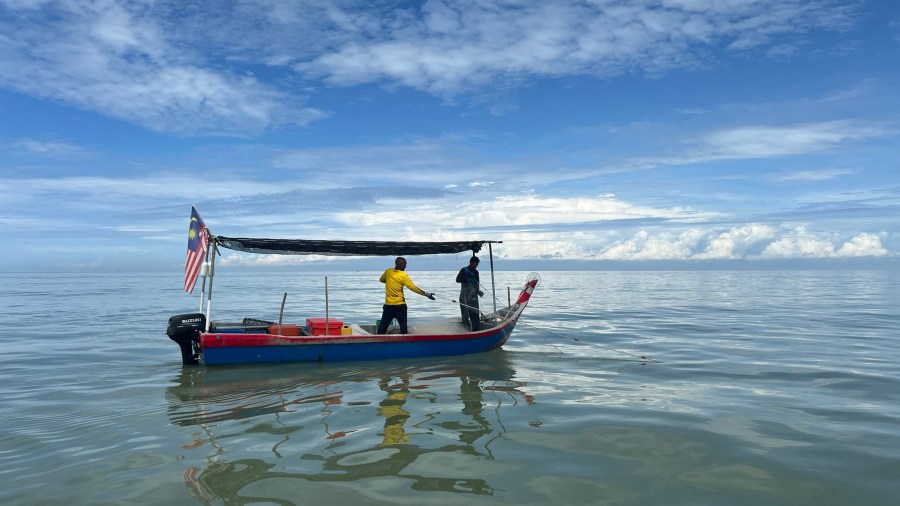
Sungai Tembus, a mangrove village in Seberang Perai, reveals how community, culture, and conservation are deeply intertwined. This post highlights the village’s ecological knowledge, Nypa-palm livelihoods, and local conservation efforts while reflecting on the challenges of sustaining heritage in a changing landscape. It offers insights from my paper published in Planning Malaysia (Vol. 23, Issue 1, 2025) and discusses how biocultural tourism can help protect both people and place.
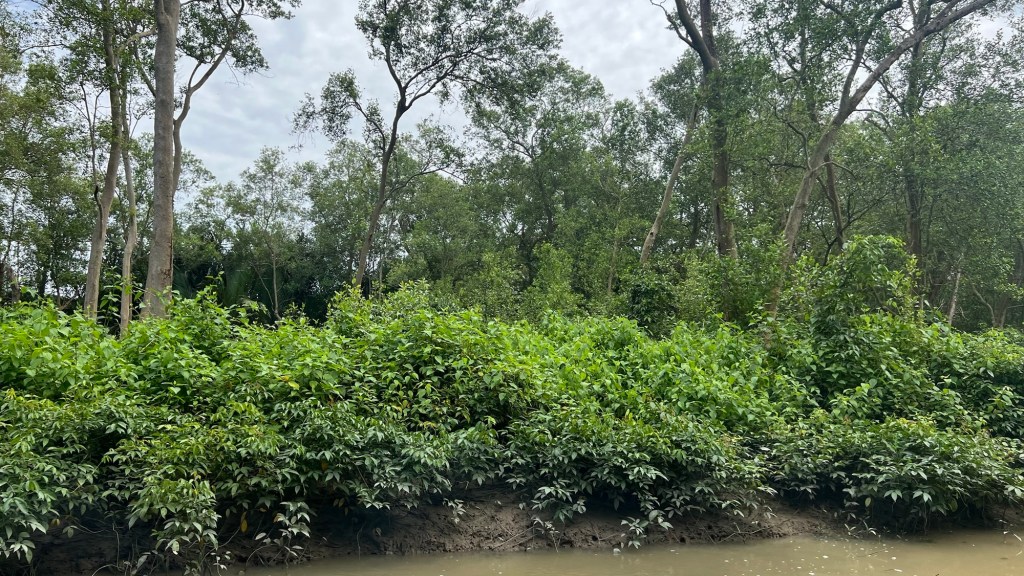
Sungai Tembus is a small mangrove settlement on the northern coast of Seberang Perai, Penang. The area is known for its traditional fishing community, Nypa palm products, and the dense mangrove belt that supports both livelihoods and biodiversity.
This study explores how community, culture, and conservation intersect in this landscape, revealing how people’s everyday practices are shaped by the mangrove ecosystem, and how local knowledge contributes to conservation efforts.
Community and Livelihood
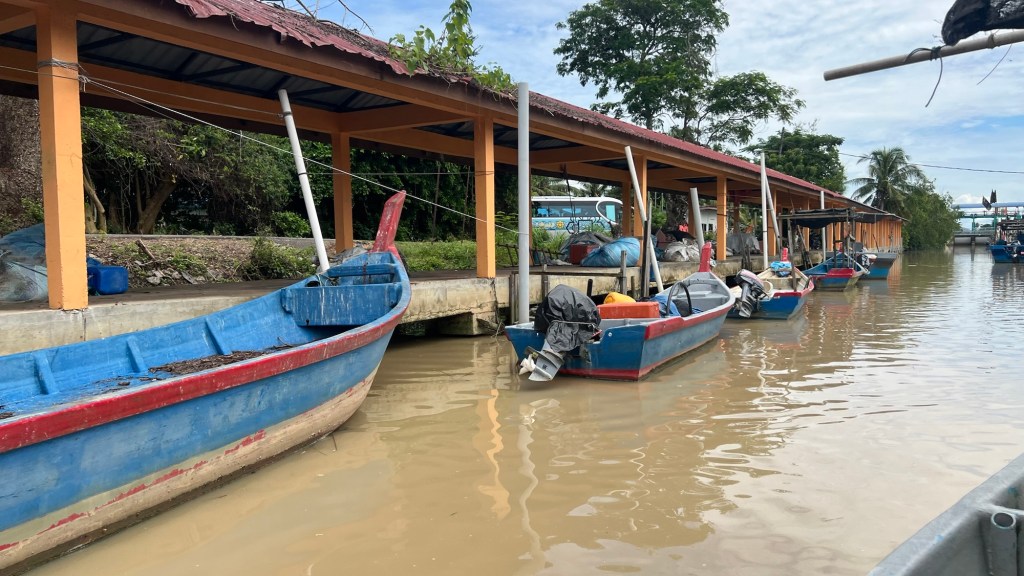
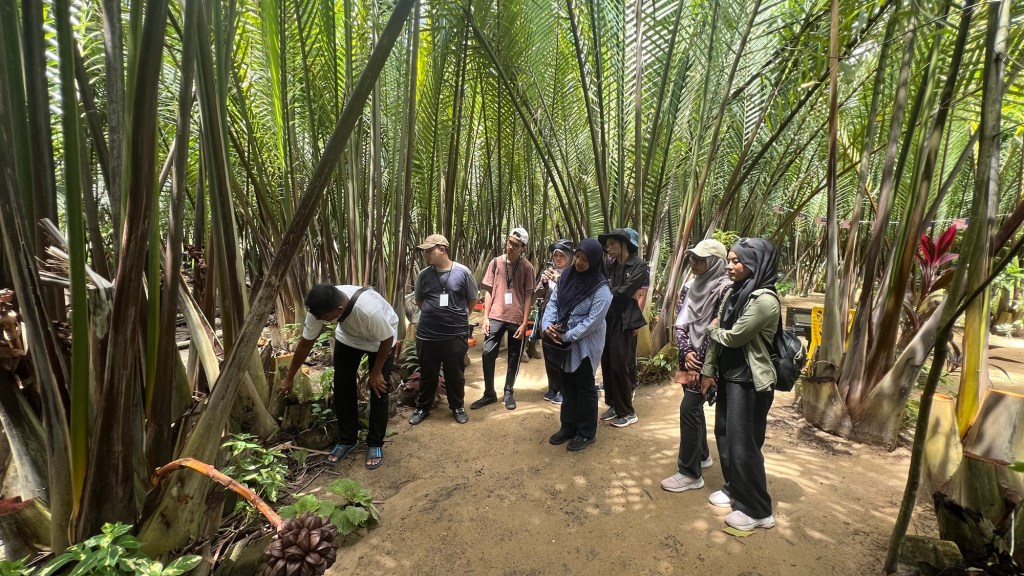
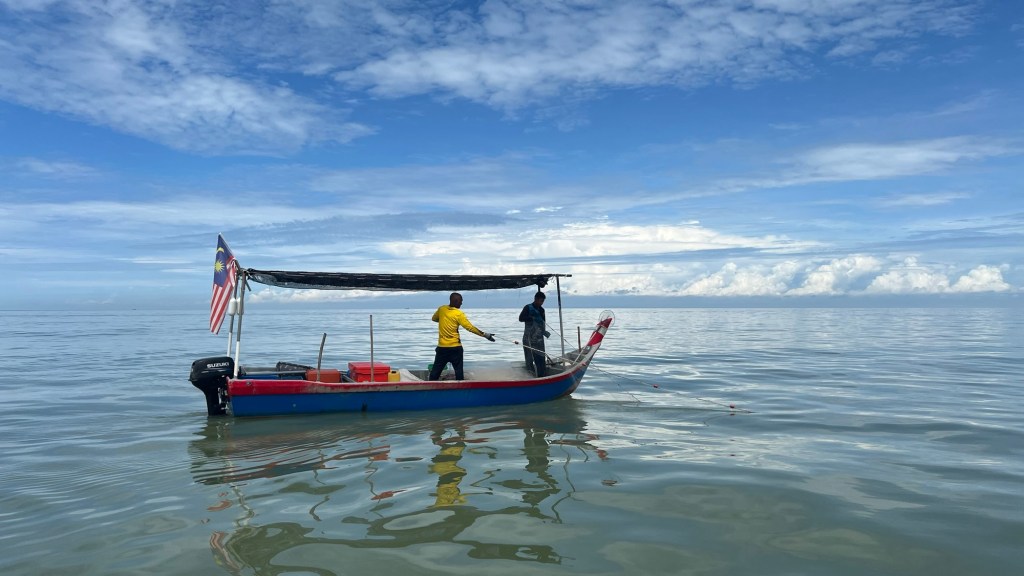
For generations, families in Sungai Tembus have relied on the mangroves and tidal rivers for food, income, and identity. Fishing, crab trapping, and Nypa-palm harvesting remain key economic activities. The village jetty serves as both a social hub and a gateway to the wider estuarine landscape. Local entrepreneurs like Pak Man have turned traditional Nypa sap tapping into a small-scale industry, producing nira, vinegar, and molasses. These products are attracting visitors interested in authentic, community-based experiences, a small but growing form of biocultural tourism.
Culture and Ecological Knowledge
Residents have developed an intimate understanding of the landscape. They read the tides, anticipate fish movements, and monitor the health of mangroves by observing root growth and water colour. This traditional ecological knowledge forms an important foundation for conservation. Local initiatives such as mangrove replanting and river clean-ups are often led by community members themselves.
As one fisherman explained:
“If we don’t take care of these trees, there will be no fish.”
Such perspectives highlight how environmental stewardship is embedded in daily practice, not just in policy.
Challenges and Change
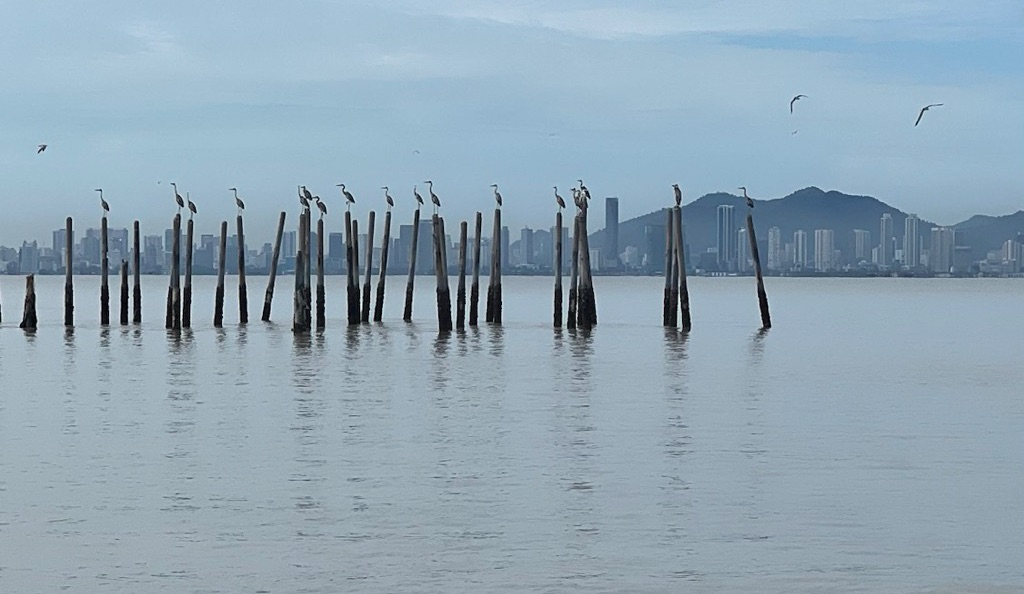
While the community remains deeply connected to the land, it also faces significant challenges. Sedimentation, aquaculture waste, and changes in river flow have affected both fishing productivity and mangrove health. Younger residents often leave for jobs in the city, leading to a gradual loss of local knowledge and traditional skills. Developing sustainable tourism and conservation partnerships could provide new opportunities — allowing younger generations to reconnect with their heritage through environmental education, local guiding, or eco-craft production.
Reflections
Sungai Tembus represents more than a rural fishing village; it is a biocultural landscape where ecological and cultural systems are inseparable. Conservation here is not just about protecting species or habitats. It is about sustaining ways of life that have co-evolved with nature over time.
For researchers, planners, and designers, this site offers an important reminder: effective conservation must include the community’s voice and lived experience. Preserving the mangrove ecosystem means preserving the knowledge, culture, and relationships that sustain it.
This post is adapted from our research paper published in Planning Malaysia (Vol. 23, Issue 1, 2025) titled “Community, Culture and Conservation: Mapping the Biocultural Landscape Resources of Sungai Tembus, Seberang Perai for Tourism.”
You can read the full paper here: https://www.planningmalaysia.org/index.php/pmj/article/view/1678
 PLACE RESEARCHER