
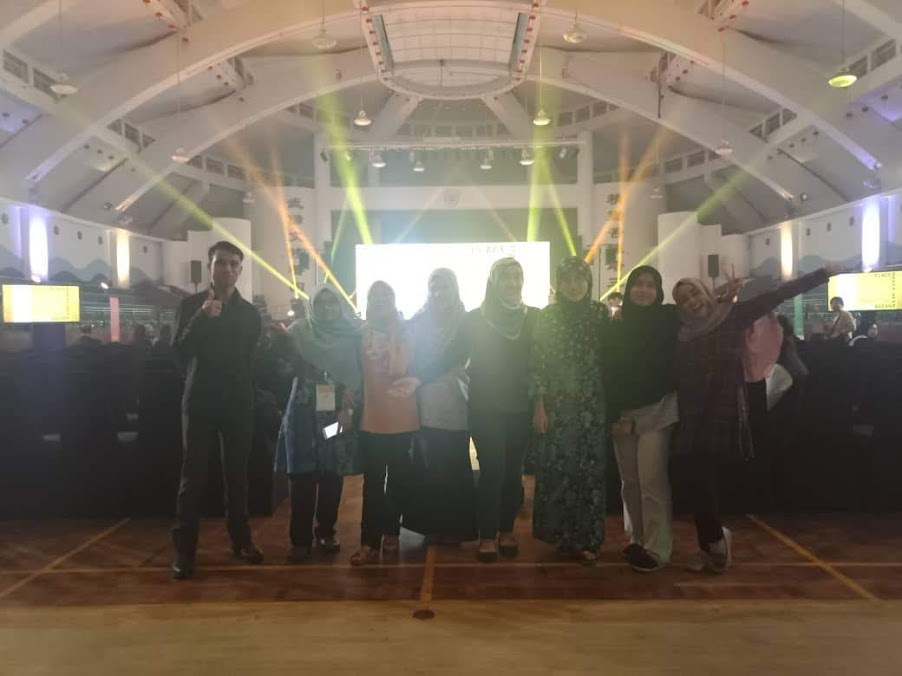
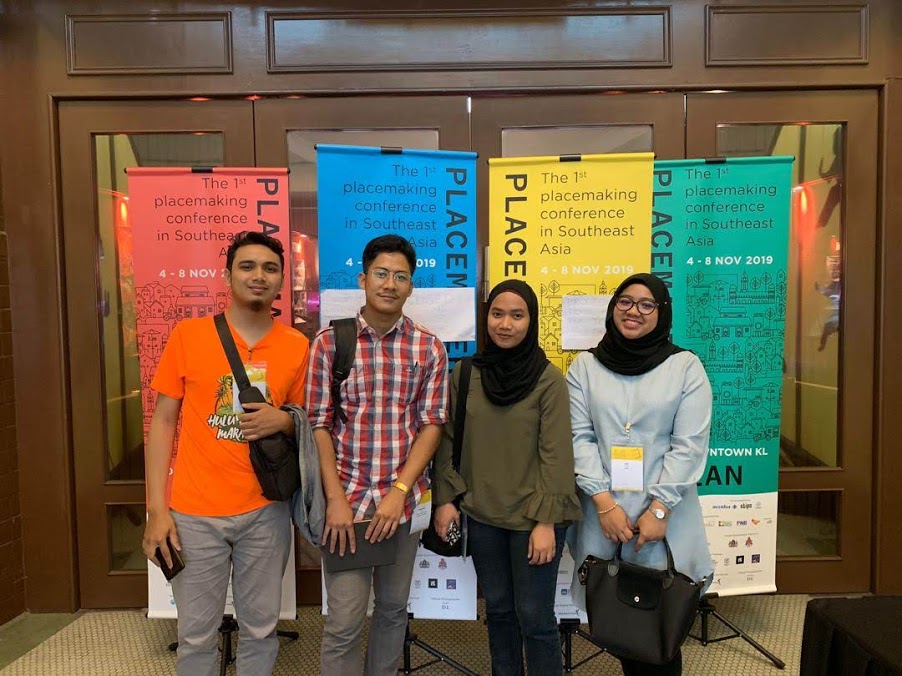
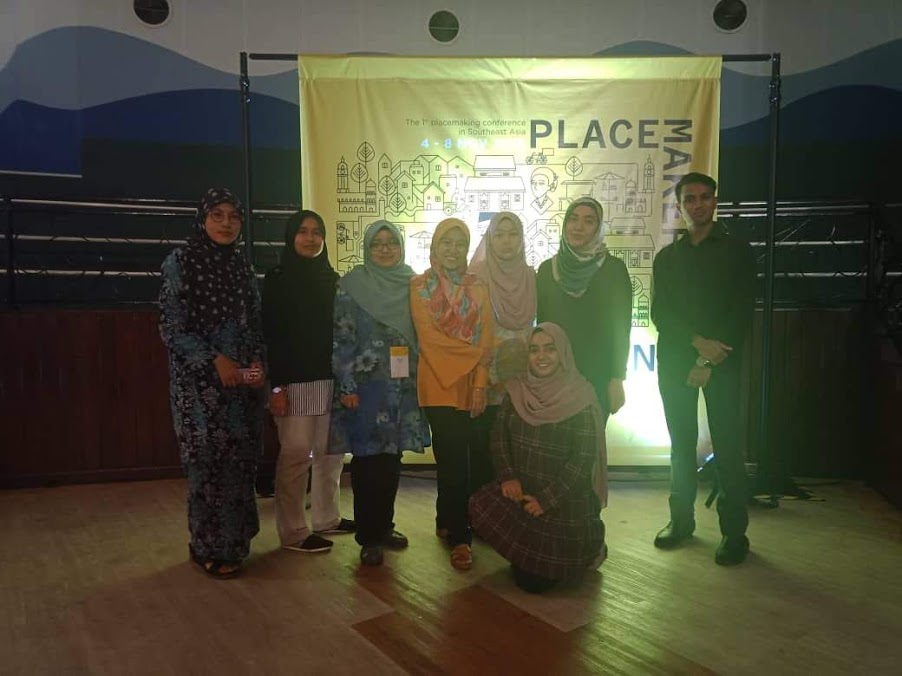
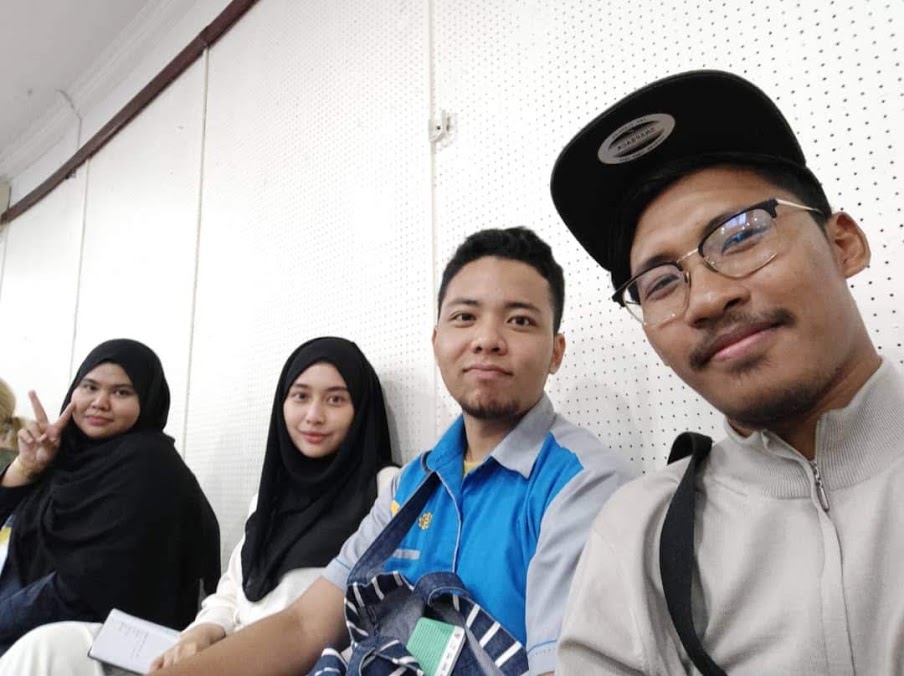
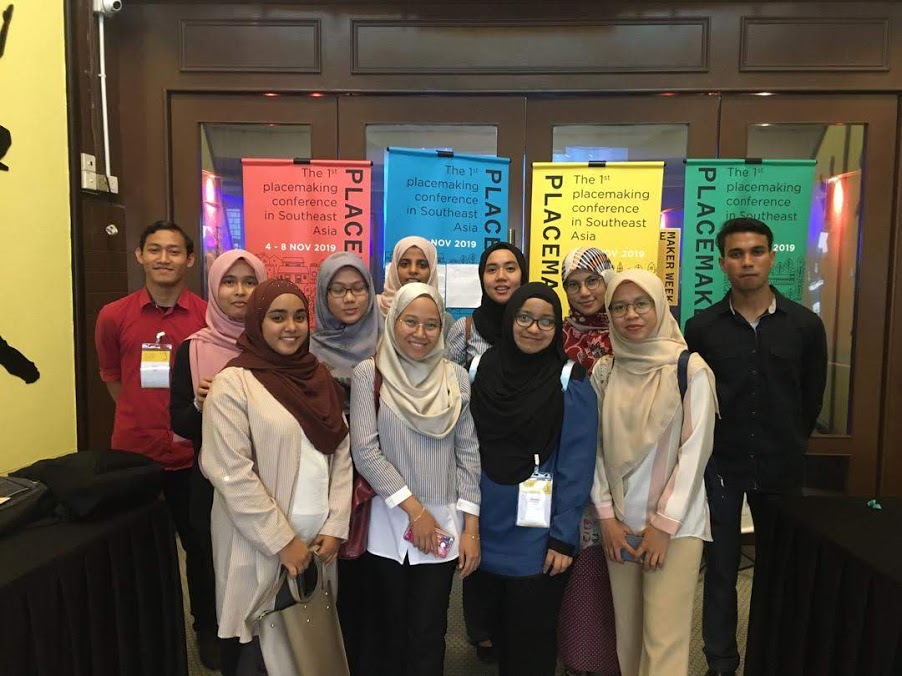
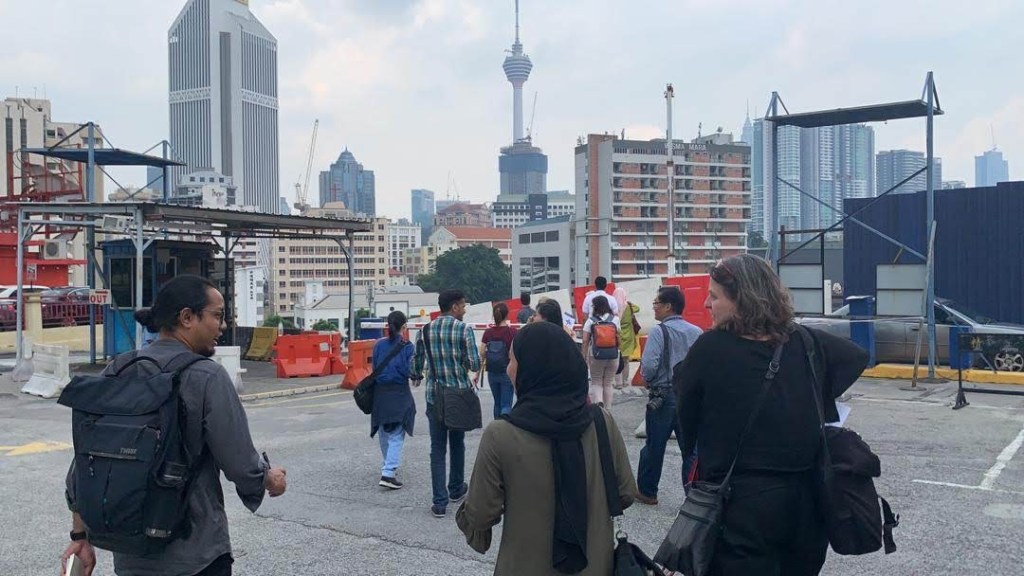
24 IIUM Students from KAED had the opportunity to attend the Plenary Sessions of Placemaker Week that was held at Chin Woo Stadium, KL. They are 6 students from Landscape Architecture, 4 students from Quantity Surveying, 4 students from Architecture, 5 students from Applied Arts & Design, and 5 Post Graduate students.
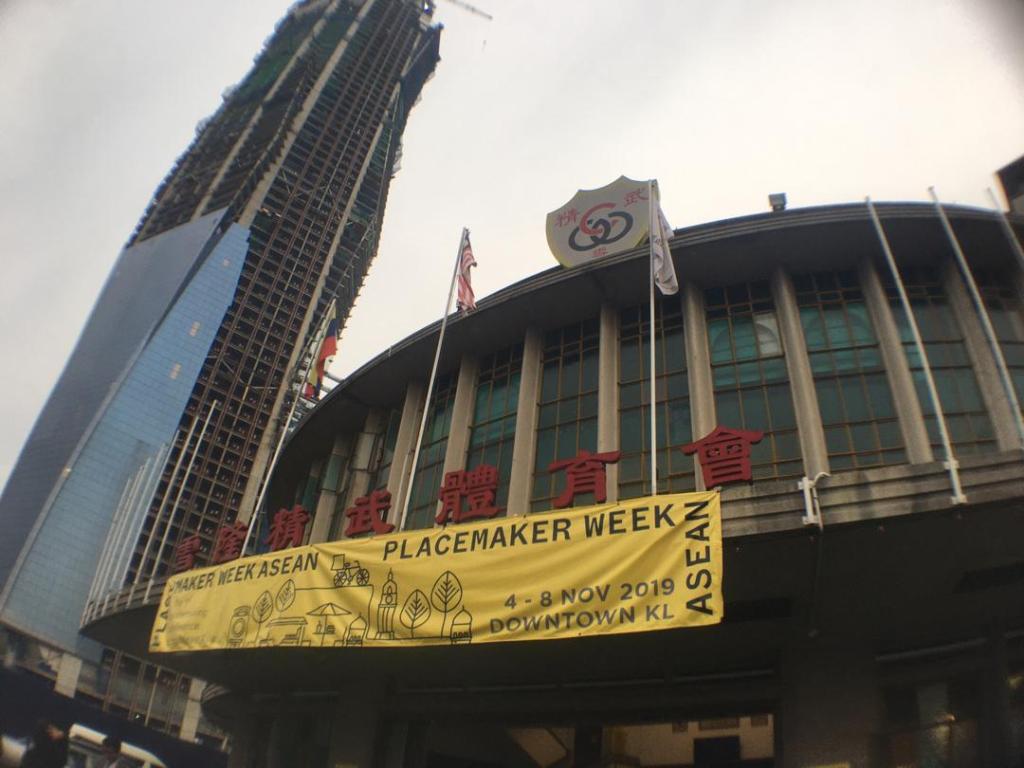
Here’s what they shared from Placemaker:
Today I’ve learned that placemaking is a global strategy that not only will enhance places in urban areas but also it brings people together from across the globe, create a united earth community that has the same goal, which is to revive place in order to create a healthy city and breed healthier community. And second lesson is that if we all work together and have pure interest then nothing can stop us from achieving our goal.
Ilham, 4th Year LA Student
Plan a doable and practical design, think big but act small.
Suhaila, 4th Year LA Student
It was really an eye opener for me to see that there are lots of organizations that fight for public spaces around the world and they really go for it, for example in Mumbai, where they shared that they have parks, but with lots of restrictions eg; No Running, No picnic, No ball, No stepping on the lawn etc. (defeat the purpose of a public park). So they create LYP Mumbai (love your park) and fight for the place in the public park.
Zur, PostGrad Student
An organization from Albania came out with the key indicators for design guidelines to create place making for children in the city of Tirana. They look at the basis of ITC (infants, toddlers,caregivers). So its a new POV for me.
Policy & People (for placemaking):
– Try to connect the community with their needs (find pressure group)
– Target the right person/department in high authority/gov
– Collect lots of data (facts & figures) as a proof to make a change in existing policy/create a new policy
– Try to link people-place (be innovative) – workshop, survey
– Challenges that always come : time consuming ,frequent changes in gov, crisis/threatening, and perseverance-loss interest(so finding the right person that have same interest/passion is crucial)
First, how to do inclusive placemaking. You need to design the excluded group in your project. i. e. to design an entrance of a building , the best is to design for the people who are using wheelchair, along with ramp and railings, so that pregnant women and elderly could use them well too.
Mujahid, M.Arch Student
Second is ThinkCity’s approach on placemaking, they don’t really pretend that they know the local culture and community. So they connected, supported and celebrated groups of people and spaces that are playing big roles in the society instead.
I learnt that, every changes start with the community, the individual itself. If you wanna make changes, just go for it, bear in mind there will be lot of challenges and will face failures. I also amazed with lot of ideas from different background of people to bring the community together and bring a place to life.
Illya, 2nd Year QS Student
Placemaking for children:
Amin, 4th Year LA Student
In designing something for children we need to know how children react to the surrounding. Thus, we need to think about how children understand about the environment itself. After we design for children, we also need to think about the caregiver’s place to rest when their children play at the play area, so places like coffee shop for parents is also needed to be thought as well.
Placemaking. In the sense that making the city as people’s place and people’s economy. That’s the focus. Thus looking at things at the eye level. Which is important to ensure there is CONNECTIVITY. That’s what it’s all about. The connection. And not for the government, but firstly for the people. What they need is to be supported. Stressing on “nobody gets left behind” ; making everyone a placemaker.
The workshop & urban trail created opportunity for us to experience city in other’s persona. (Mine was an extrovert transgender person and it was inspiring to see a place we know but in the other’s eye)
Important to look at opportunities : creating MULTIUSE // HYBRID SPACES. This can be done with implementation of urban acupuncture and interactive installations. (ENRICHING THE CREATIVENESS OF LOCAL)
Mia, M.Arch Student
Willingness of goverment to collaborate with community to create a livability, sustainable and vibrant city is really vital. The goverment should create a place that people wants, not what the goverment think people wants!
The placemaking in poorer and developing countries can be ignited by supporting the local community business, vendors and brings ‘life’ to the heritage buildings and hallway spaces. Placemaking is an investment not a cost.
Alyaa, QS Student
We must ensure that a proposed activity would not disrupt an existing activity around that area and also create various activities to attract people to an area everyday. For example at Gamuda, the coffee shop holds art classes in the weekend to enliven the space 24/7.
In placemaking, we need to put ourselves in the shoe of the community by understanding their daily lives and their interest. It is important for designers to gain their trust by doing small projects but with visible impacts and also maintaining the community’s identity.
Husna, PostGrad Student
A placemaker is anyone who feels they have the power to make the city better.
Placemaker create public spaces that inspire, that bring us together, make us happier and healthier, and give us a strong sense of identity. And vibrant public spaces are good for business and good for our planet too.
Placemaking is usually to rejuvenate existing spaces and sometimes also involve in the conservation of heritage building.
Archeology is not about what you find, but what you find out.
Haziq, 2nd Year QS Student
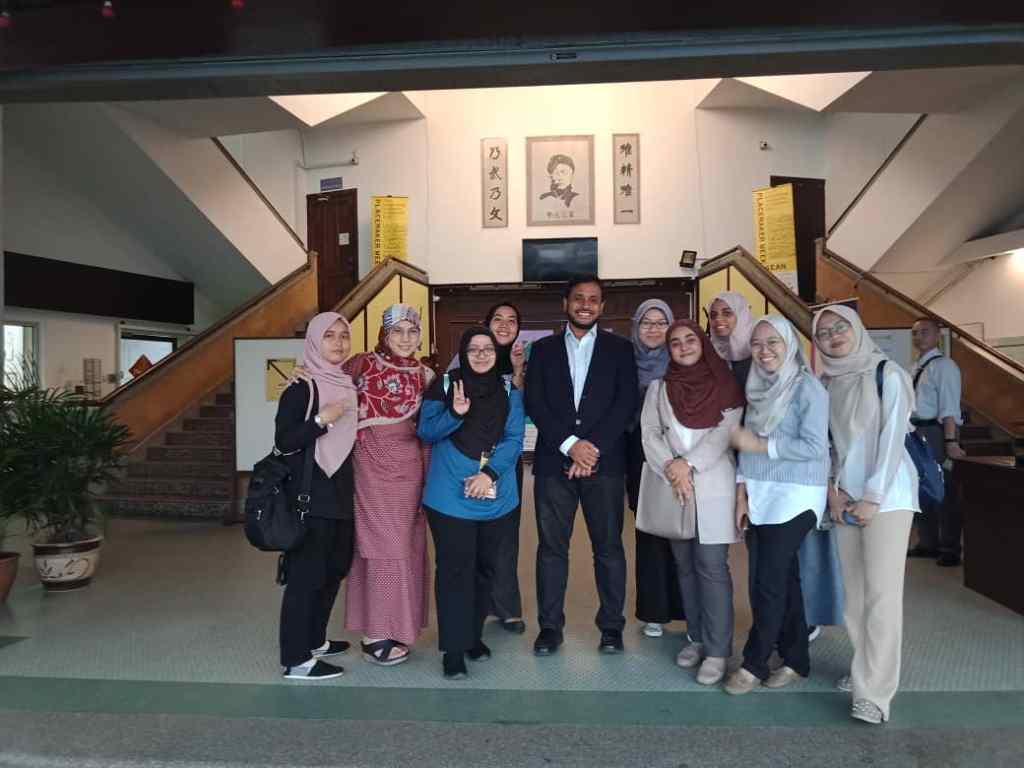
We would like to thank Lendlease for sponsoring the tickets! A collaboration on placemaking in the future perhaps? 🙂
 PLACE RESEARCHER